
Attracting pollinators to your garden is essential for the health and productivity of your plants. Bees, butterflies, and other pollinators play a crucial role in fertilising flowers, leading to the production of fruits, seeds, and new plants. Tony Harding, a professional garden designer and consultant, offers expert garden design services, gardening lessons and presentations, and personalised consultations in the East Midlands and Warwickshire. Here’s a comprehensive guide to help you create a pollinator-friendly garden.
Choose the Right Plants
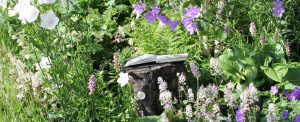
Selecting plants that attract pollinators is the first step in creating a garden that supports these vital creatures. Native plants are particularly effective, as they have evolved alongside local pollinators. Flowers with a single row of petals are easier for pollinators to access than double-petaled varieties. Consider including a mix of the following:
- Bees: Lavender, foxglove, borage, and thyme.
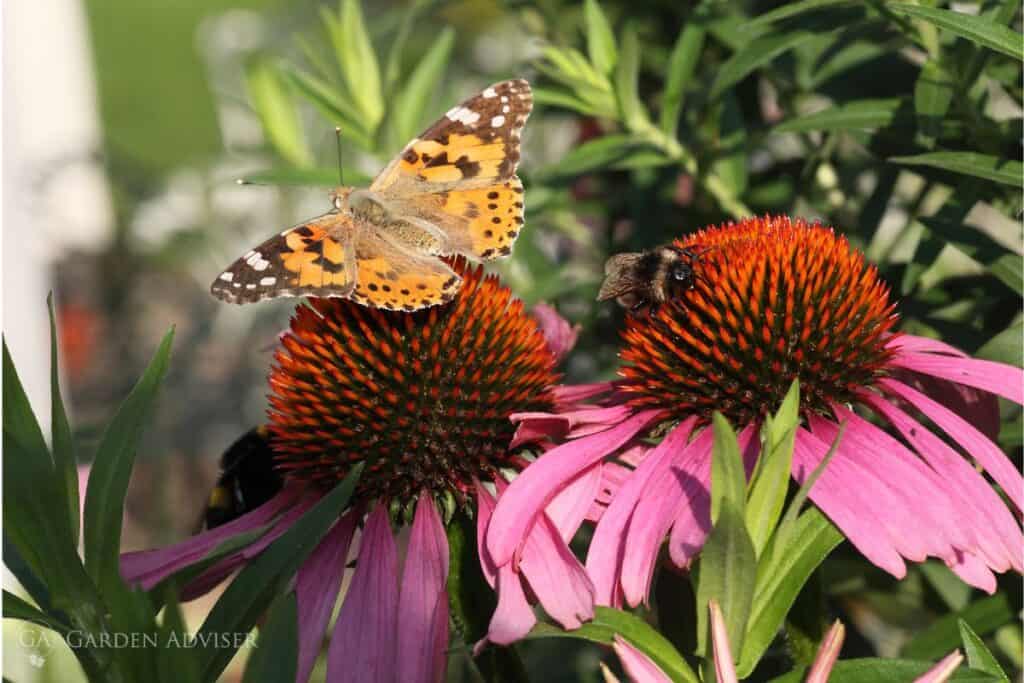
- Butterflies: Buddleia (butterfly bush), verbena, and echinacea.
Tony Harding’s Garden Design Service can help you select the best plants to attract pollinators to your garden.
Provide a Variety of Blooms
Pollinators need a steady food supply throughout the growing season. Plant a variety of flowers that bloom at different times of the year to ensure that there’s always something in bloom. Early spring flowers like crocuses and late autumn blooms like asters can help extend the feeding period for pollinators.
Create a Habitat
Pollinators need more than just food; they also require habitats for shelter and reproduction. Incorporate these elements into your garden to provide a welcoming environment:
- Nesting Sites: Leave some bare soil for ground-nesting bees and create piles of branches or logs for other insects.
- Water Sources: Shallow dishes with water and pebbles or birdbaths can provide much-needed hydration.
- Shelter: Plant dense shrubs or install insect hotels to offer protection from the elements.
Avoid Pesticides
Pesticides can be harmful to pollinators. Opt for organic gardening methods and natural pest control solutions. Encourage beneficial insects like ladybirds and lacewings, which can help manage pest populations without the need for chemicals.
Plant in Clusters
Pollinators are more likely to visit gardens where they can find large groups of the same plant species. Planting in clusters makes it easier for pollinators to locate and access the flowers. Grouping plants together can also create a more visually appealing garden design.
Incorporate Host Plants
Many pollinators have specific plants that their larvae feed on. For example, monarch butterflies lay their eggs on milkweed, as it’s the only plant their caterpillars eat. Including host plants in your garden ensures that these pollinators can complete their life cycles.
Learn from the Experts
If you’re keen to learn more about attracting pollinators and other gardening techniques, consider attending one of Tony Harding’s Gardening Lessons, Presentations & Workshops. These sessions provide valuable insights and hands-on experience to help you create a thriving garden.
Seek Professional Guidance
Creating a pollinator-friendly garden can be complex, but expert guidance can make the process easier and more successful. Tony Harding offers personalised Garden Consultations to help you design and implement strategies to attract pollinators. His experience and knowledge can guide you in making the best choices for your garden.
Get in Touch
Ready to attract pollinators to your garden? Contact Tony Harding today for expert advice and support. Reach out via telephone at 07768464167 or via email at info@helios-hosting.com. With Tony’s expertise, you can create a beautiful, pollinator-friendly garden that supports the health and diversity of your local ecosystem.
Applying this advice in a real UK garden
For Tony Harding, useful garden advice is never just a list of attractive plants. It is a practical reading of the garden: the soil underfoot, the amount of light, the way water moves, the plants already succeeding and the level of care the owner can realistically provide.
This is where good SEO and good advice meet. Homeowners searching for a garden consultant, garden coach, planting advice or a garden health check usually need help with a real decision: what to keep, what to change, which plants suit the conditions and how to avoid spending money in the wrong order.
- Start with soil, aspect, drainage and exposure.
- Use structure and repetition before adding too many individual plants.
- Choose colour that belongs to the setting and lasts beyond one short flush.
- Leave space for wildlife, mature growth and easier maintenance.
Need advice for your own garden? Tony can help with garden consultations, planting advice, garden coaching, remote advice and garden health checks across Leicestershire, Warwickshire, Northamptonshire and nearby Midlands areas.