Summary: Online garden advice can work well when photographs, video, measurements and clear questions are shared before the consultation.
Remote advice can be practical and personal
Professional garden advice can be delivered online when the information is clear. Photographs, short videos, measurements, sketches and a list of concerns allow Tony to understand the garden before the conversation.
Remote advice is useful for planting questions, second opinions, new-build gardens, overgrown gardens, border planning and early design decisions.
- Zoom, Microsoft Teams or FaceTime consultations
- Telephone and email support where appropriate
- Advice based on photographs, plans and video
- Practical recommendations you can act on
What to send before an online consultation
The better the information, the better the advice. You do not need a professional survey for every question, but photographs from several angles and basic measurements are very helpful.
Include the location, soil concerns, sunny and shady areas, plants you like, plants that are struggling and what you want the garden to do.
- Wide photographs of the whole garden
- Close-ups of problem areas or plants
- A rough sketch or measurements
- Questions you want answered
- Your postcode or town for climate context
When online advice is the right choice
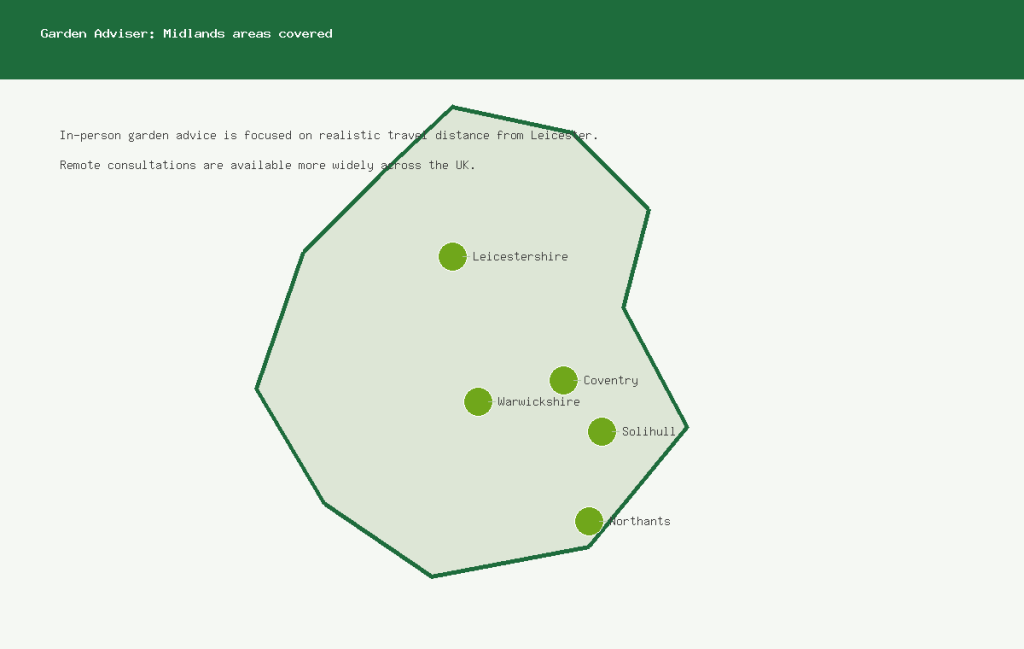
Online consultations are particularly useful when you want an early steer before committing to major work. They can also help if you live outside Tony’s normal travel area but want expert garden advice.
Some problems still need an in-person visit, especially where drainage, levels, tree safety or detailed soil assessment are involved. Tony can advise if that is the case.
- Planting advice and plant identification
- Border planning and colour ideas
- New-build garden priorities
- Wildlife-friendly improvements
- Follow-up guidance after a visit
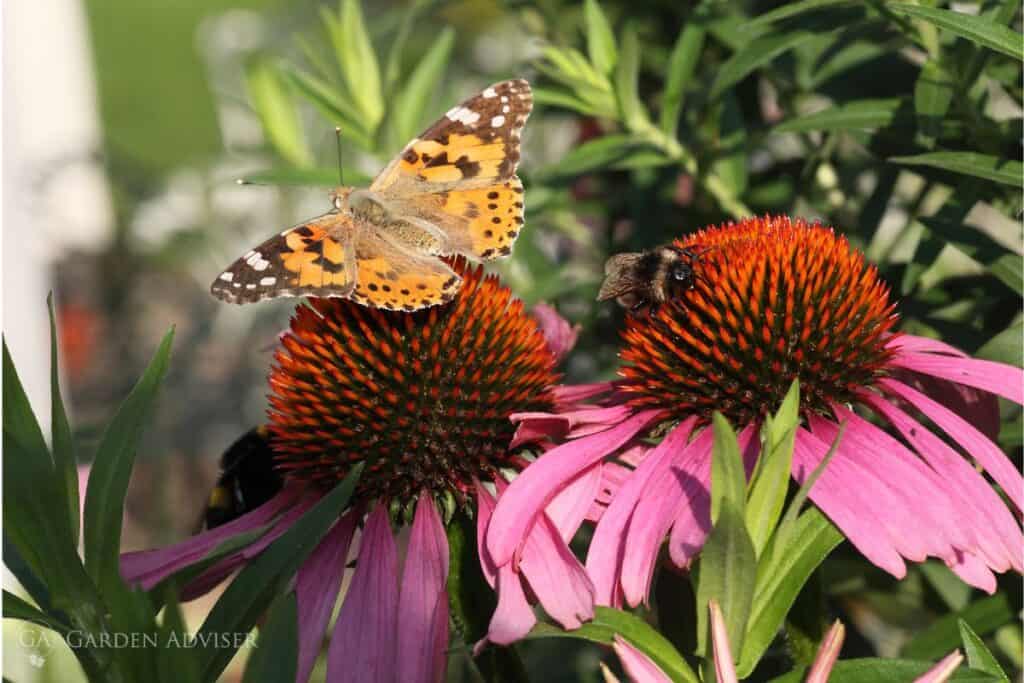
Send Tony photographs, measurements and questions to start a remote garden advice enquiry.
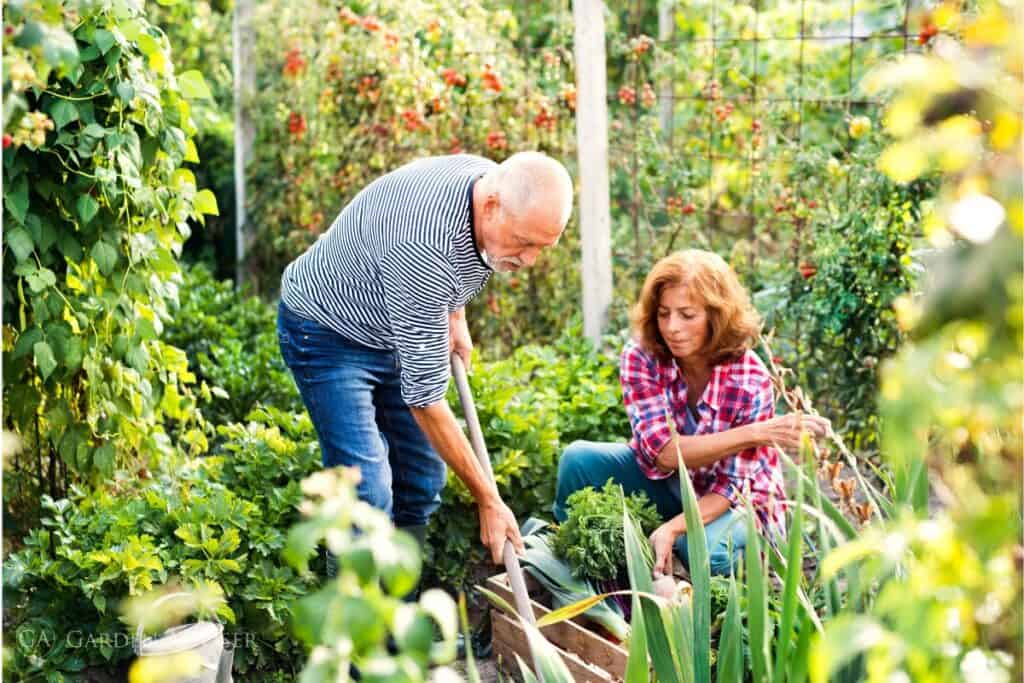
Tony’s garden adviser takeaway
The most useful garden advice is specific to the conditions in front of you. Soil, shade, wind, drainage, existing planting and the amount of time you can give the garden should all influence the next decision.
For SEO and for real readers, this article sits within Tony Harding’s wider garden advice, consultation and coaching work across Leicestershire, Warwickshire, Northamptonshire and nearby Midlands locations.
- Choose plants for the site, not only for colour on the label.
- Use structure, repetition and depth so the garden feels calm and designed.
- Leave space for wildlife, access, maintenance and future growth.
- Ask for advice before committing to expensive landscaping or large plant orders.
How this becomes site-specific garden advice
For Tony Harding, useful garden advice is never just a list of attractive plants. It is a practical reading of the garden: the soil underfoot, the amount of light, the way water moves, the plants already succeeding and the level of care the owner can realistically provide.
This is where good SEO and good advice meet. Homeowners searching for a garden consultant, garden coach, planting advice or a garden health check usually need help with a real decision: what to keep, what to change, which plants suit the conditions and how to avoid spending money in the wrong order.
- Start with soil, aspect, drainage and exposure.
- Use structure and repetition before adding too many individual plants.
- Choose colour that belongs to the setting and lasts beyond one short flush.
- Leave space for wildlife, mature growth and easier maintenance.