The client brief
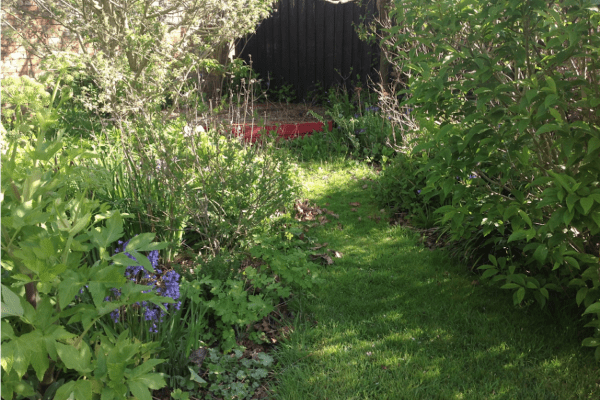
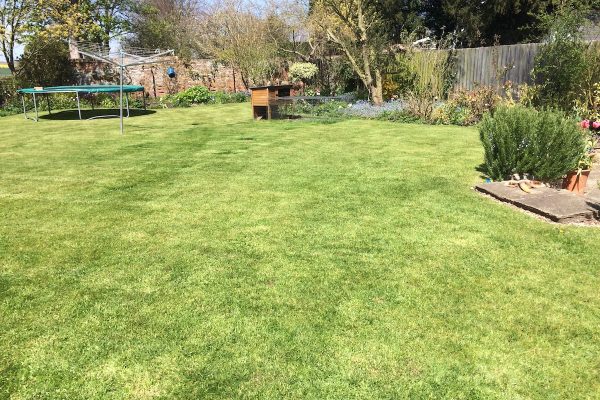
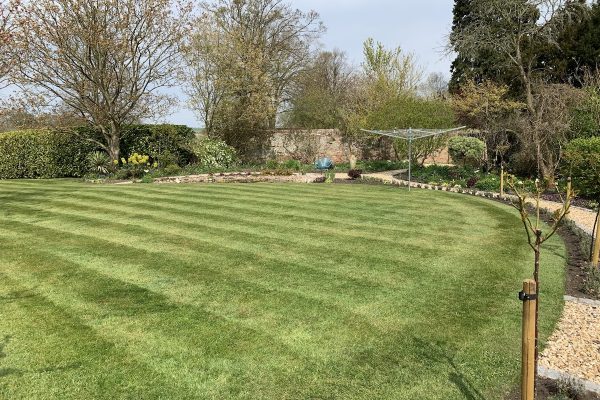
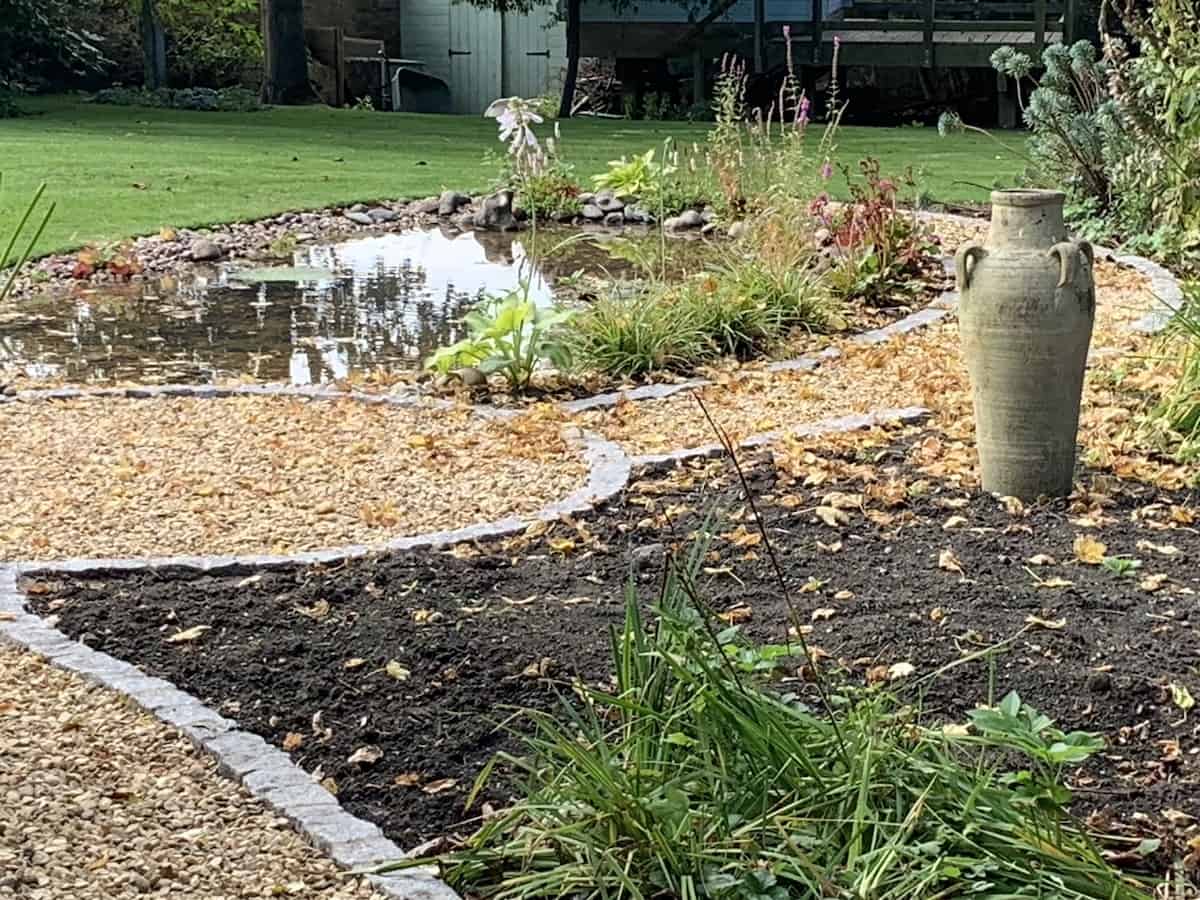
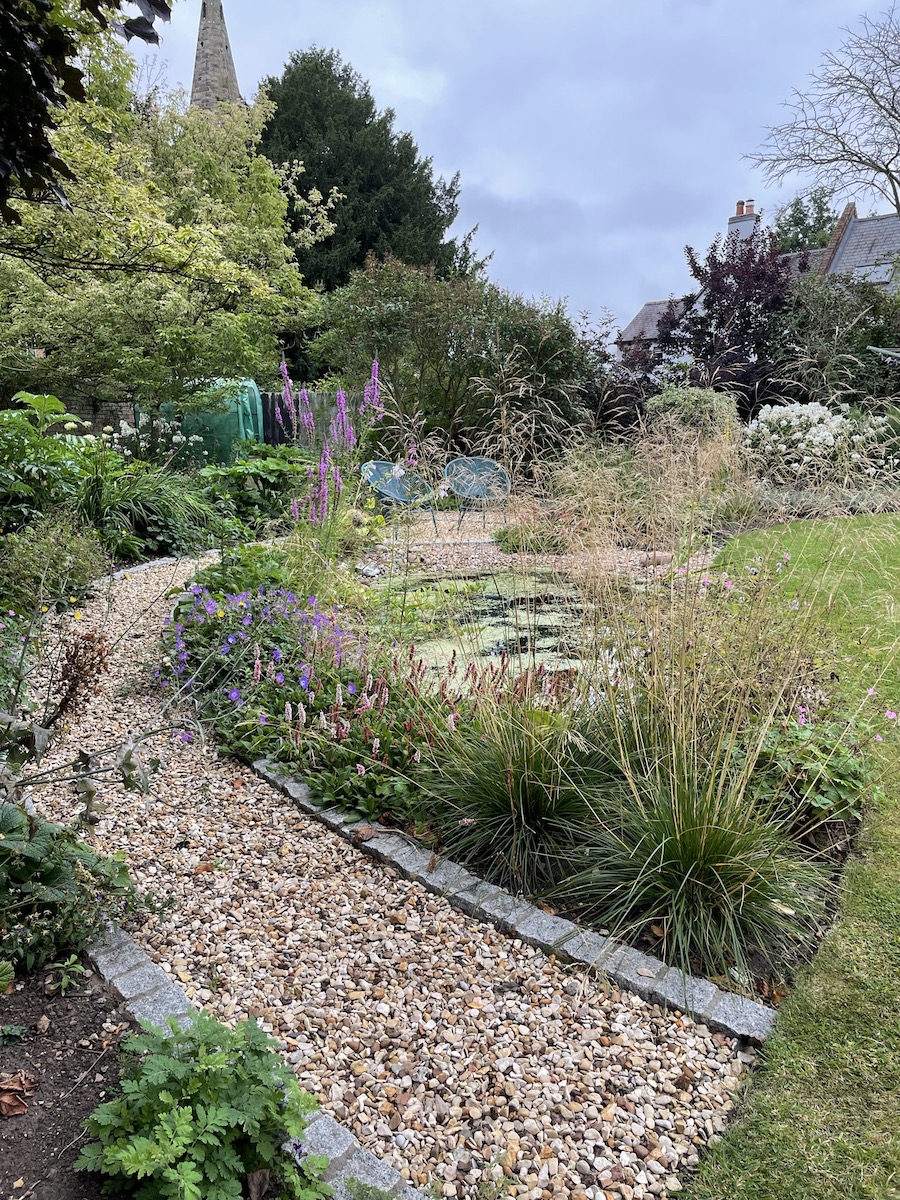
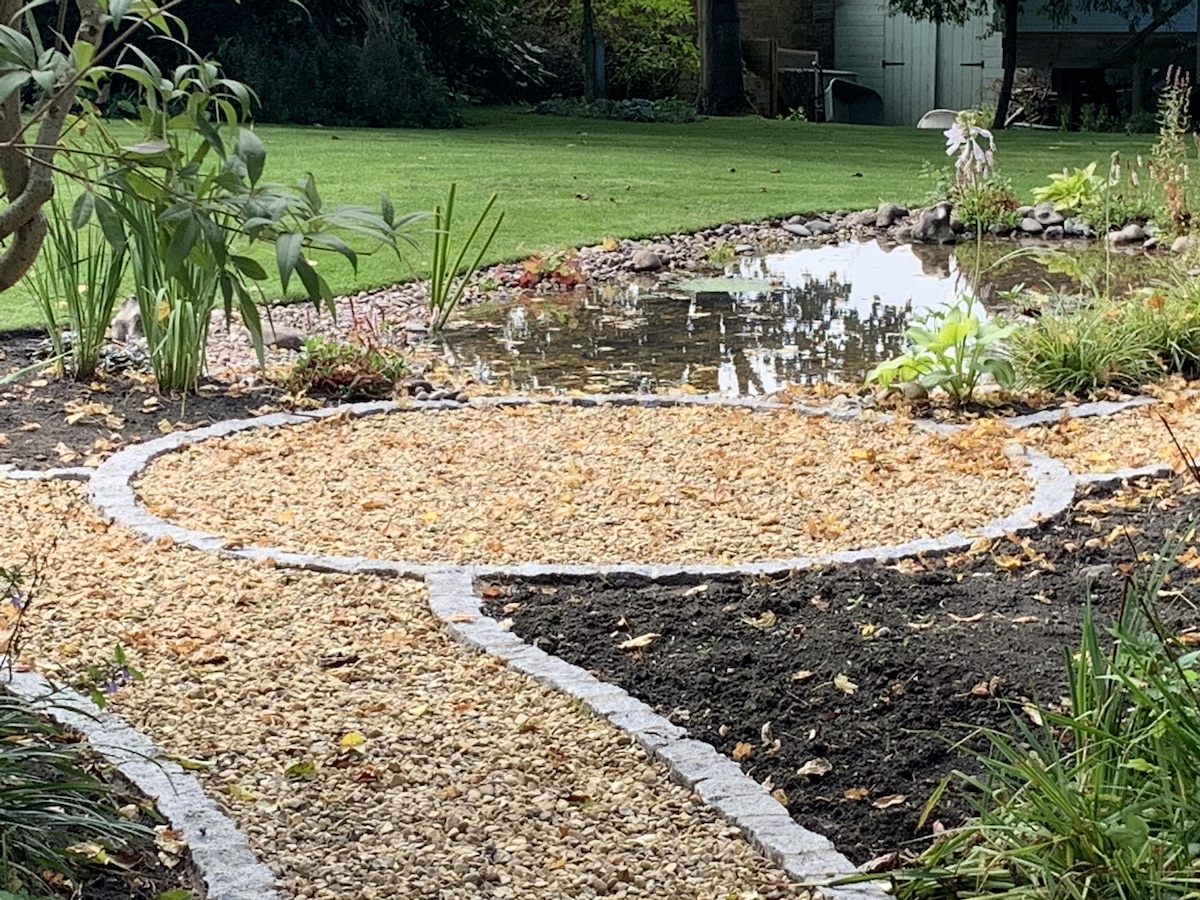
The client wanted to bring more interest to the garden and introduce a stronger wildlife element. They also wanted a greenhouse area for producing flower and vegetable seedlings, so the design needed to support both ornamental and productive gardening.
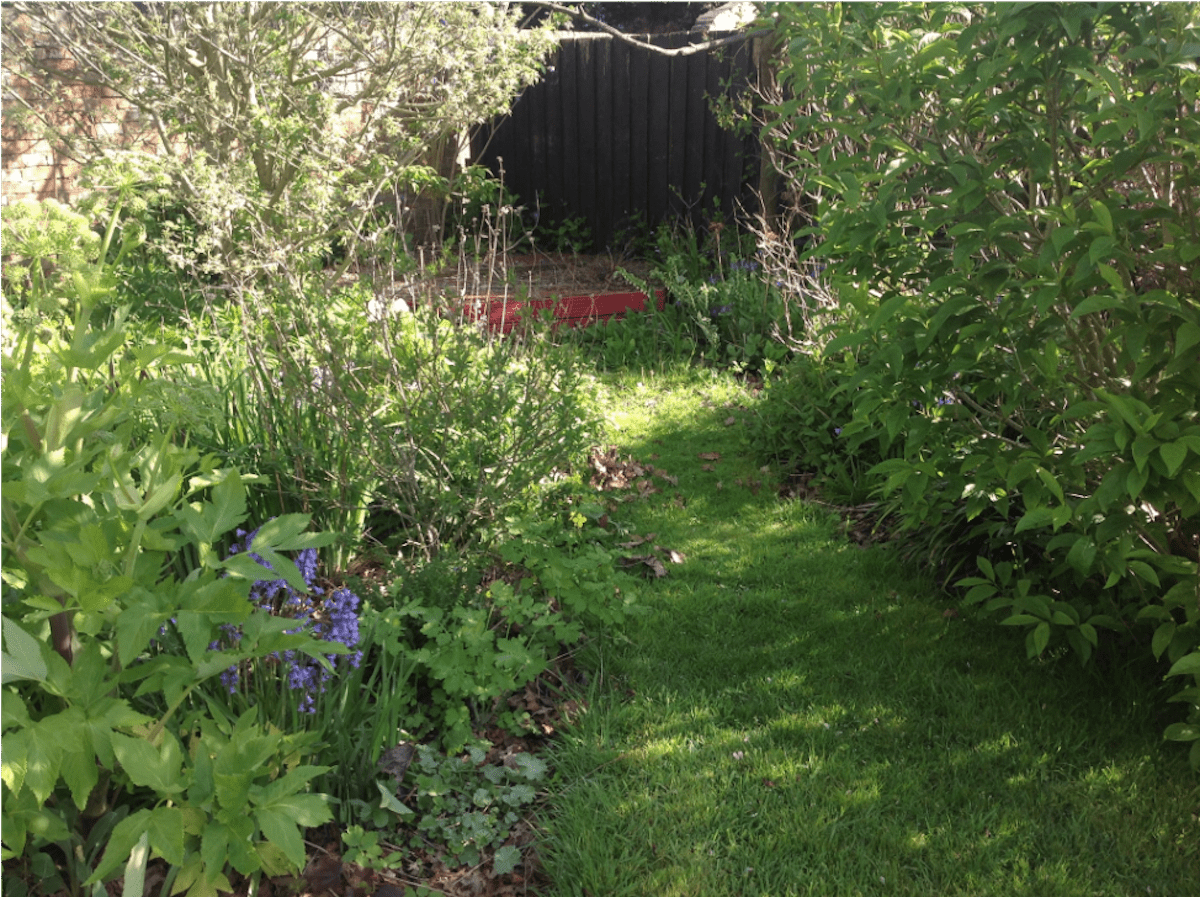
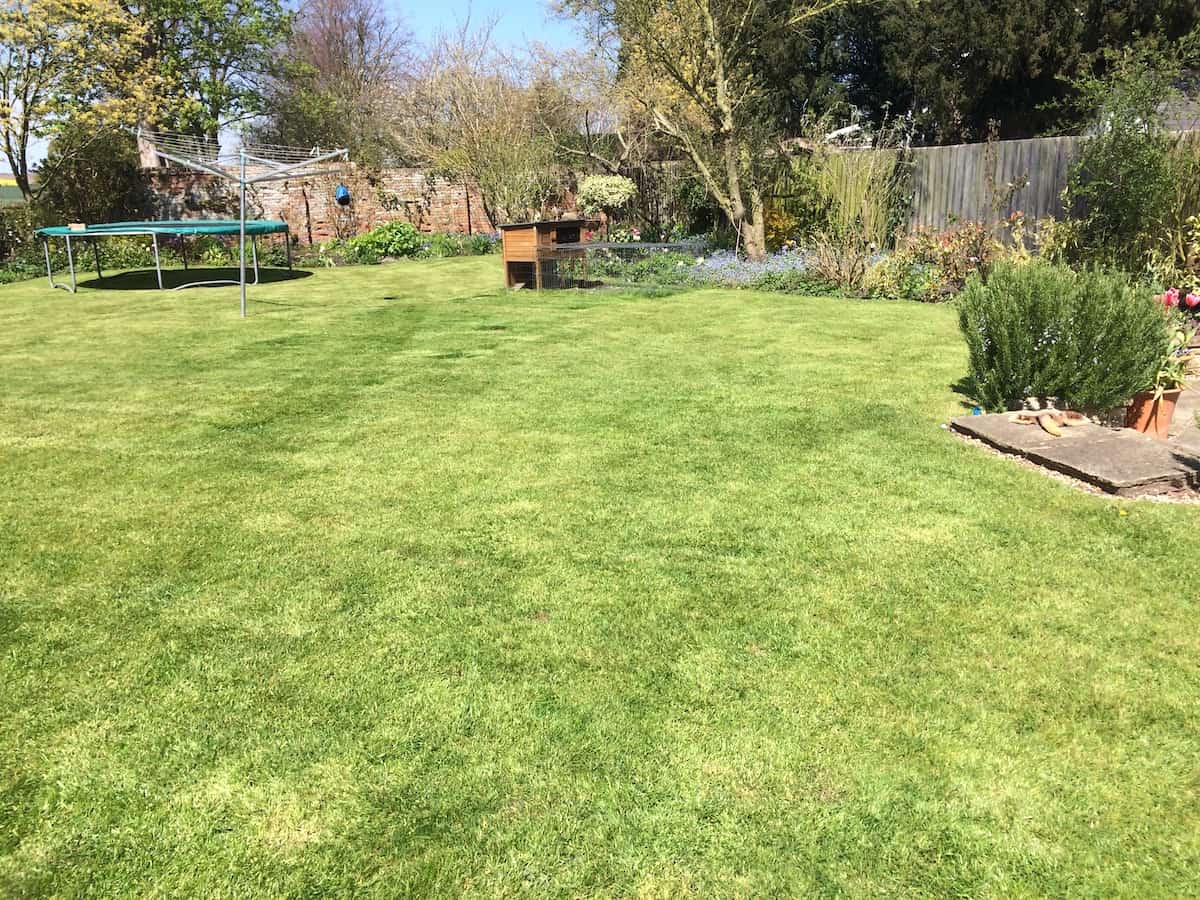
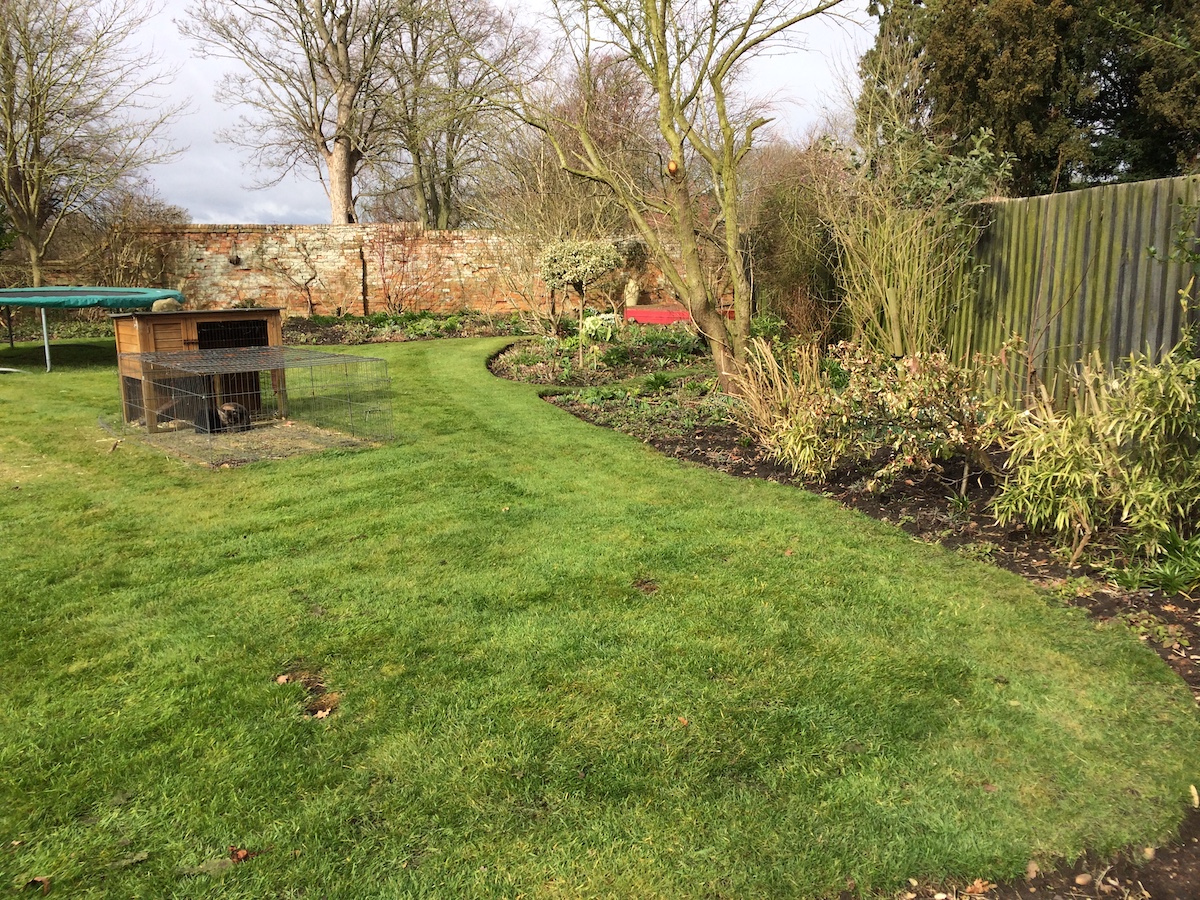
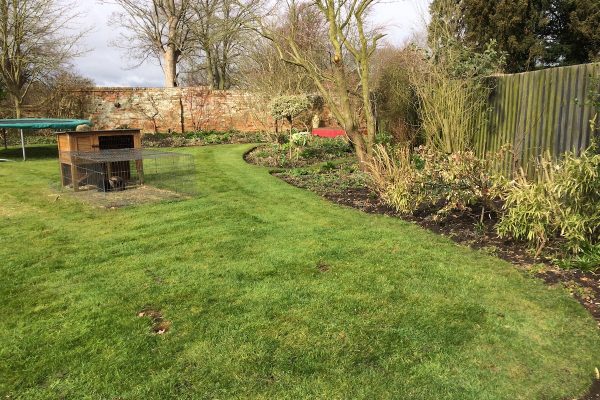
Tony began with a site survey, plotting the existing features the client wanted to retain. This allowed the new design to work with the garden’s established character rather than starting from a blank sheet.
What the garden needed
- A considered survey of existing garden features.
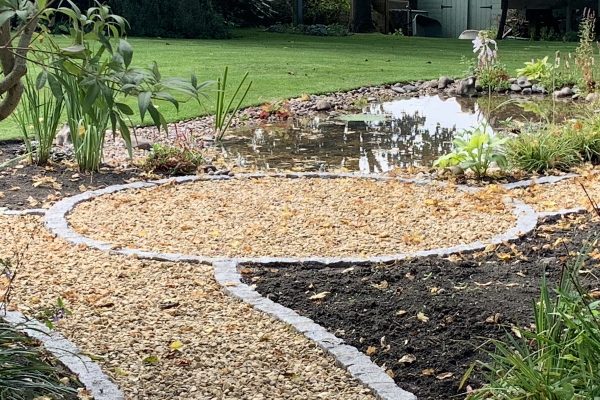
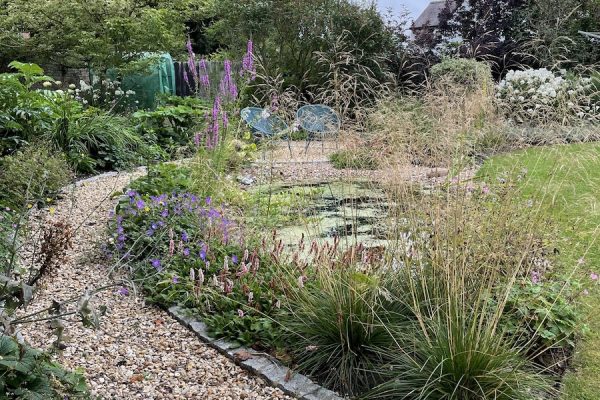
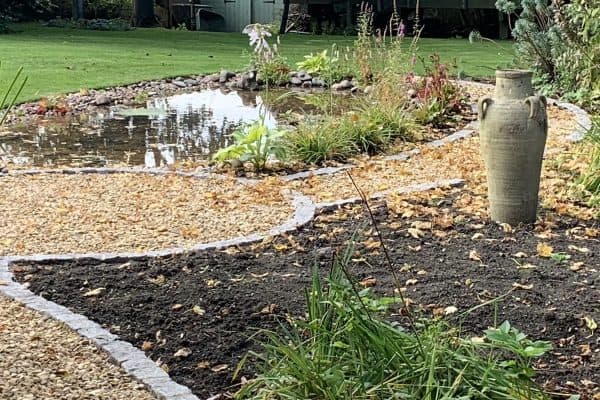
- A wildlife pond and planting with habitat value.
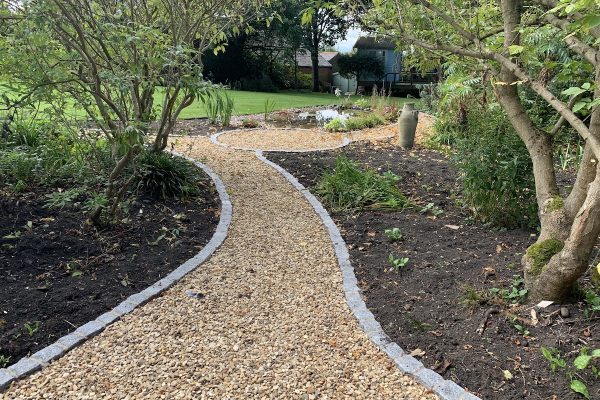
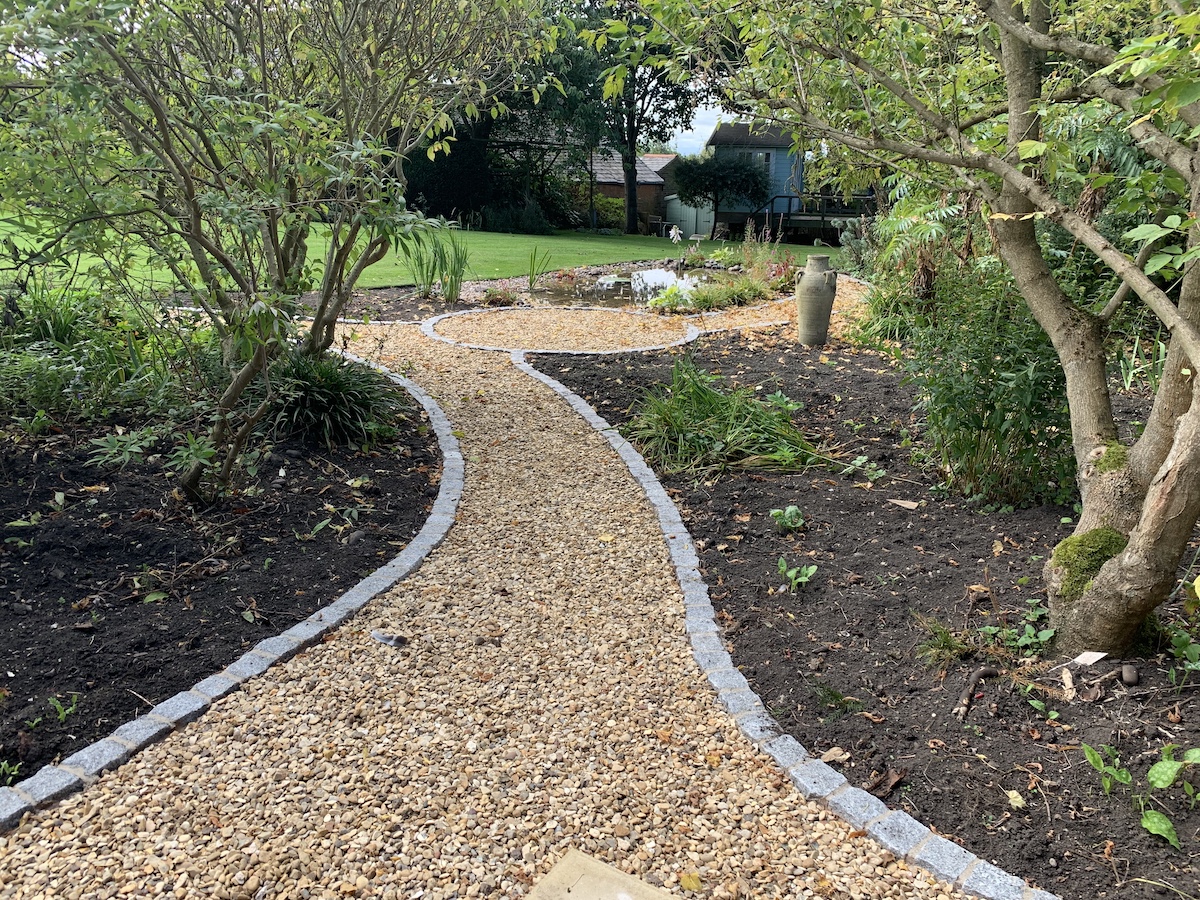
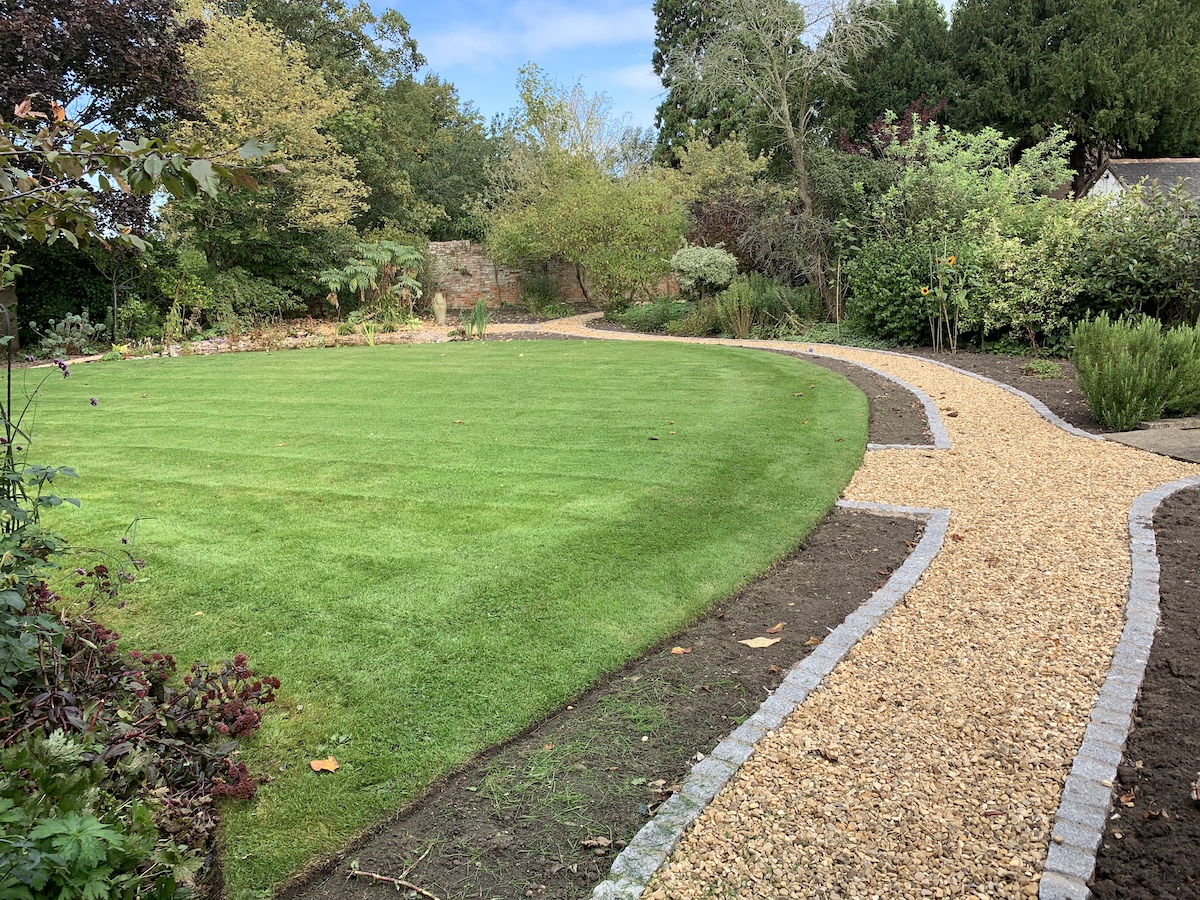
- Gravel paths to give access to the greenhouse.
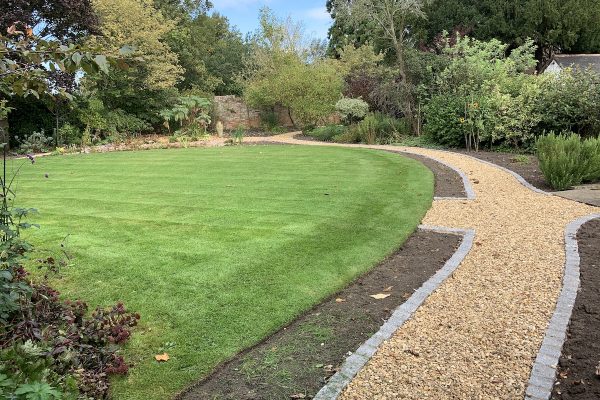
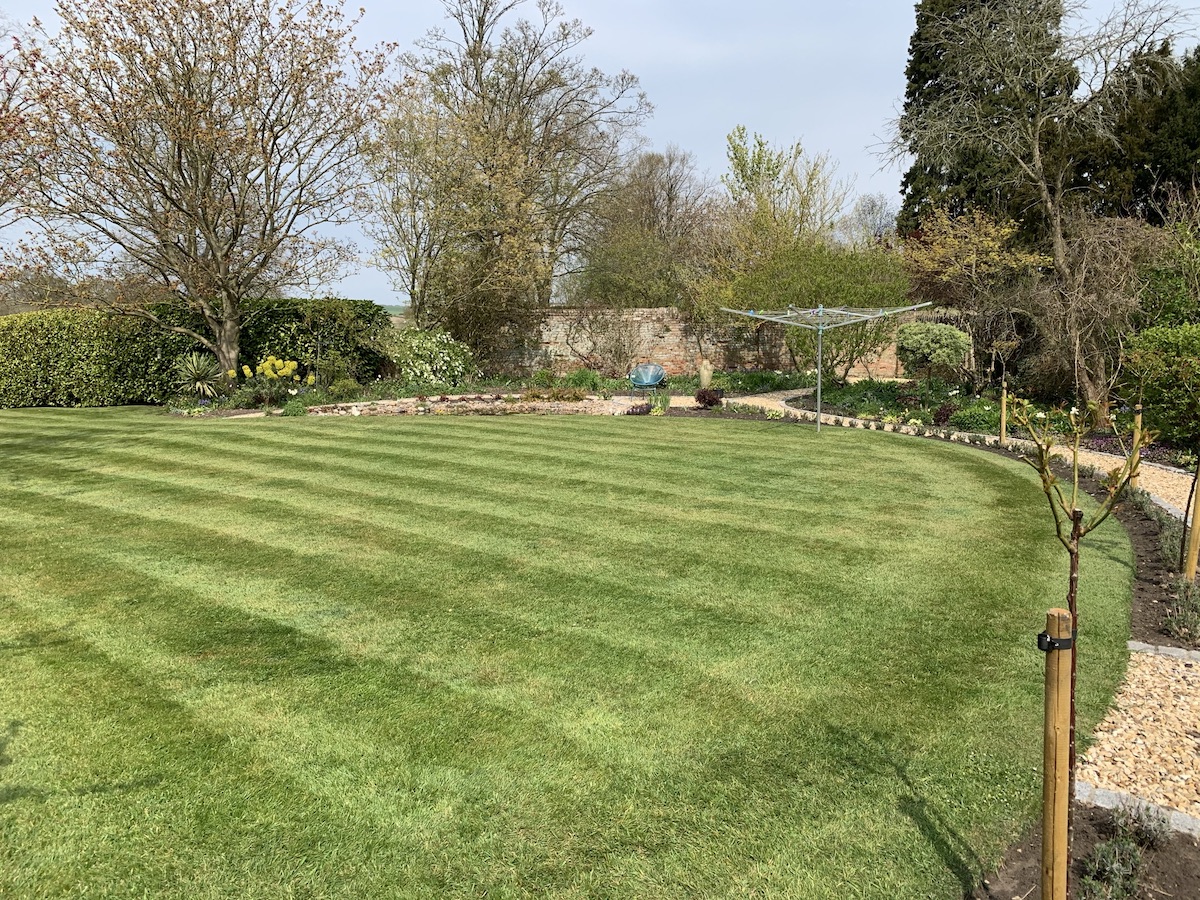
- A layout that flowed around the garden and respected the setting.
- A design that could be installed by a landscaper or phased by the owners.
Balancing design, wildlife and practical use
This project shows how garden design can make a space more useful without losing its sense of place. The wildlife pond, access paths and greenhouse were not separate ideas; they needed to be arranged as part of one coherent garden.
Good garden advice helps clients decide what should be retained, what should be added and how each new feature will affect maintenance, movement and planting in future years.
Useful lessons from this project
- Survey existing features before planning major changes.
- Design wildlife features as part of the whole garden.
- Make productive growing practical and easy to access.
- Create a plan that can be installed professionally or phased over time.
Client feedback
“Tony understood the importance of creating a garden that felt appropriate for the age and character of our listed property. His sensitive approach, knowledge of planting and carefully considered ideas helped us develop a garden that feels completely at home with the house.”
Martin T
Grade II listed house garden client