Summary: A garden consultant helps you understand your garden, choose priorities and make confident decisions before spending money on design, planting or landscaping.
A garden consultant gives clarity before you spend
A garden consultant is useful when you know your garden could be better, but you are not sure whether it needs design work, planting advice, a garden health check or simply a more sensible order of jobs.
Tony Harding’s role is to look at the garden as a living place. That means considering soil, drainage, light, shade, existing plants, maintenance, access, wildlife value and how you want to use the space.
- Understanding what is worth keeping
- Identifying expensive mistakes before they happen
- Prioritising work in a realistic order
- Matching plants to soil, aspect and maintenance level
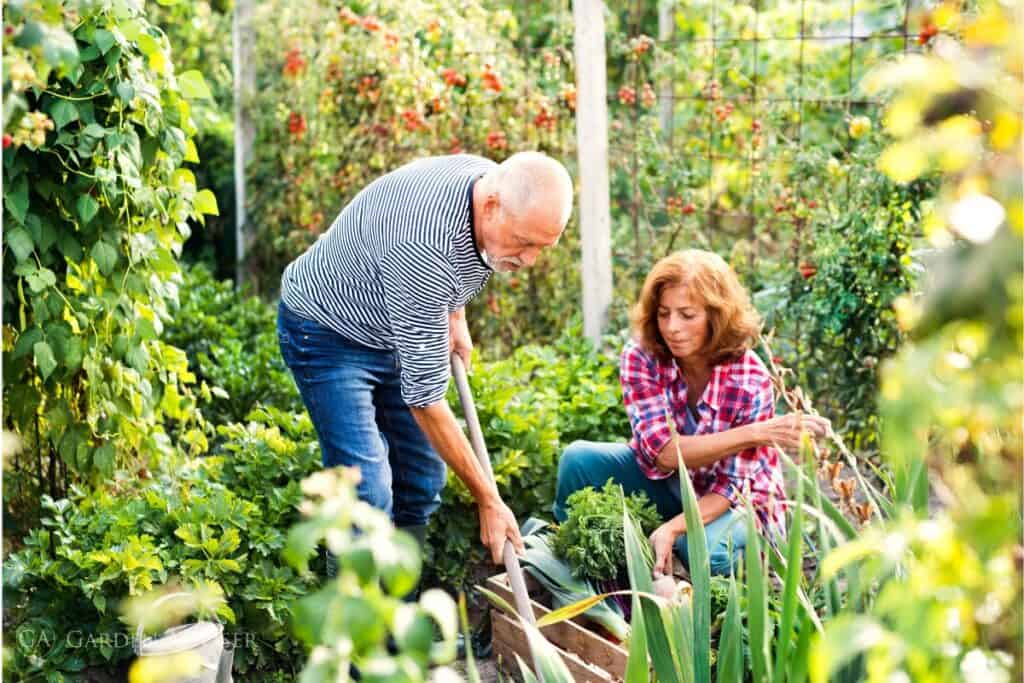
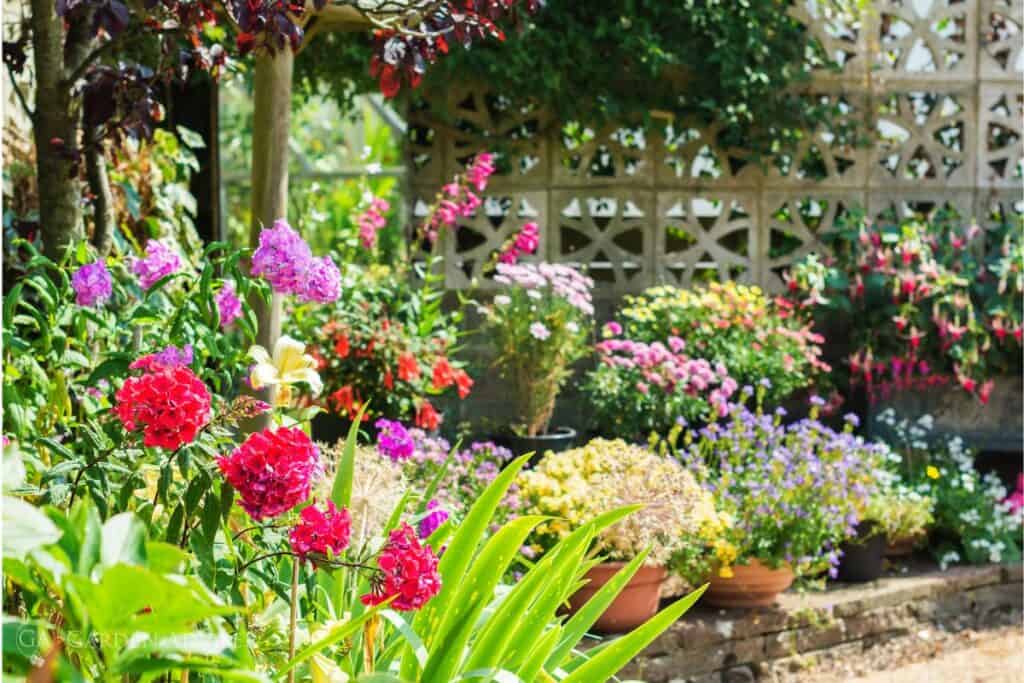
What Tony looks at during a consultation
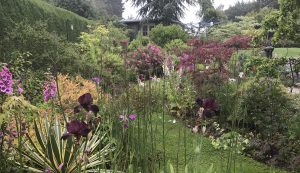
Good garden advice starts with observation. A border that struggles in summer may have dry soil, too much competition, poor plant choice or simply the wrong balance of structure and seasonal colour.
The consultation helps separate symptoms from causes. Rather than recommending change for the sake of change, Tony can explain what is happening and what would make the most useful difference.
- Soil type, compaction and drainage
- Sun, shade, wind and local exposure
- Plant health, spacing and long-term scale
- Maintenance pressure and practical access
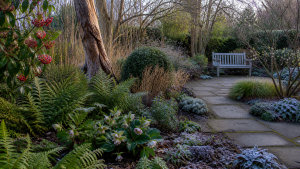
- Opportunities for colour, depth and wildlife
When professional garden advice is worth it
A garden consultant can save money when you are considering a major landscaping project, inheriting an established garden, renovating tired borders or dealing with a new-build plot with poor soil.
It is also helpful when you want to garden yourself but need confidence. A clear, independent opinion can help you decide what to do now, what to leave alone and what can wait.
- Before paying for hard landscaping
- Before removing mature shrubs and trees
- Before buying large numbers of plants
- When the garden feels overwhelming
- When you want a practical action plan
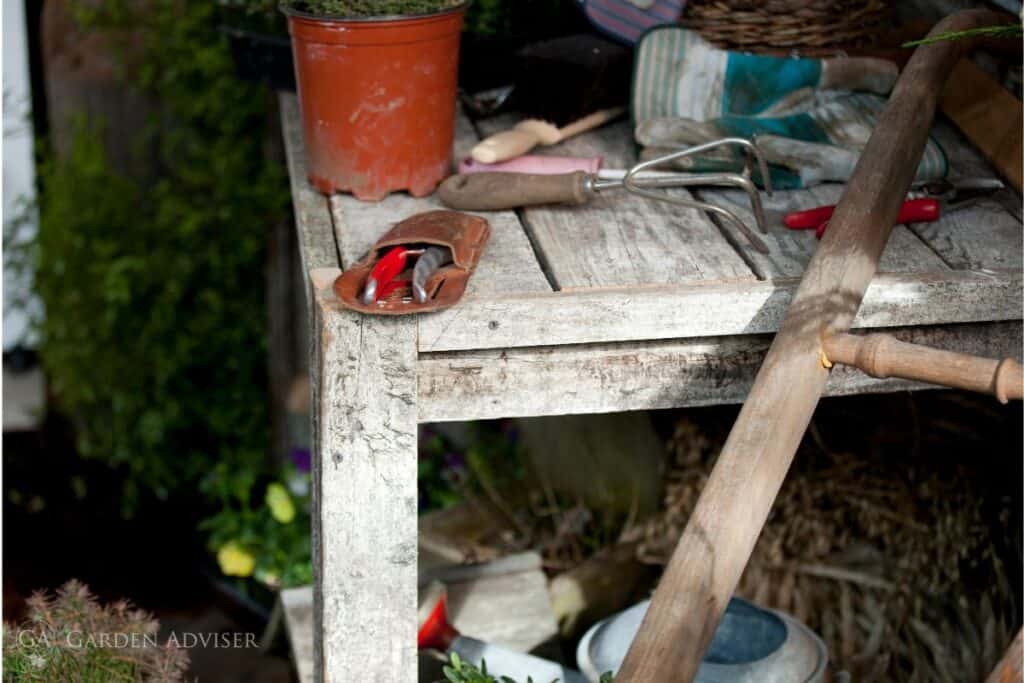
If you would like clear, practical garden advice, send Tony a short description of the garden, your location and what feels uncertain.
Tony’s garden adviser takeaway
The most useful garden advice is specific to the conditions in front of you. Soil, shade, wind, drainage, existing planting and the amount of time you can give the garden should all influence the next decision.
For SEO and for real readers, this article sits within Tony Harding’s wider garden advice, consultation and coaching work across Leicestershire, Warwickshire, Northamptonshire and nearby Midlands locations.
- Choose plants for the site, not only for colour on the label.
- Use structure, repetition and depth so the garden feels calm and designed.
- Leave space for wildlife, access, maintenance and future growth.
- Ask for advice before committing to expensive landscaping or large plant orders.
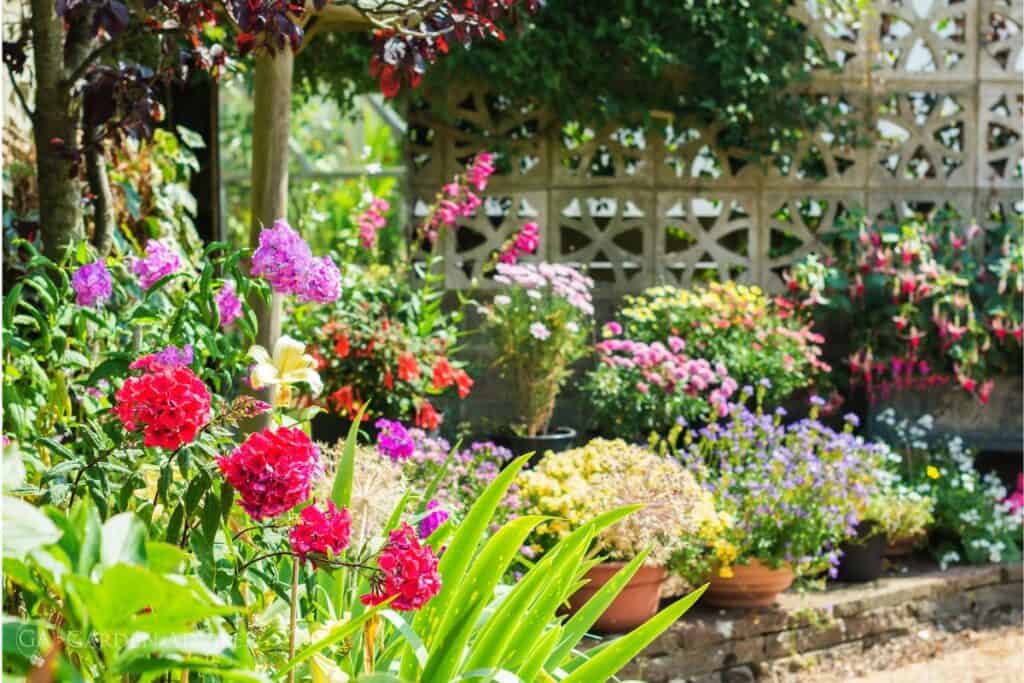
How this becomes site-specific garden advice
For Tony Harding, useful garden advice is never just a list of attractive plants. It is a practical reading of the garden: the soil underfoot, the amount of light, the way water moves, the plants already succeeding and the level of care the owner can realistically provide.
This is where good SEO and good advice meet. Homeowners searching for a garden consultant, garden coach, planting advice or a garden health check usually need help with a real decision: what to keep, what to change, which plants suit the conditions and how to avoid spending money in the wrong order.
- Start with soil, aspect, drainage and exposure.
- Use structure and repetition before adding too many individual plants.
- Choose colour that belongs to the setting and lasts beyond one short flush.
- Leave space for wildlife, mature growth and easier maintenance.