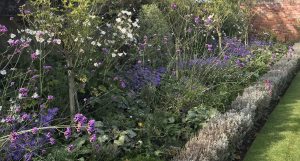

Summary: Start garden planning with the site, not the shopping list: soil, light, structure, use, maintenance and a realistic order of work.
Start with the garden you have
When you do not know where to start, avoid buying plants first. A better garden plan begins with the conditions: where the sun falls, where water sits, what the soil is like and which existing plants are doing well.
This is especially important in UK gardens where clay, shade, wind, new-build soil and established tree roots can all shape what will thrive.
- Walk the garden at different times of day
- Mark the sunny, shady, wet and dry areas
- List plants you like and plants that already thrive
- Decide what the garden needs to do for daily life

Build structure before detail
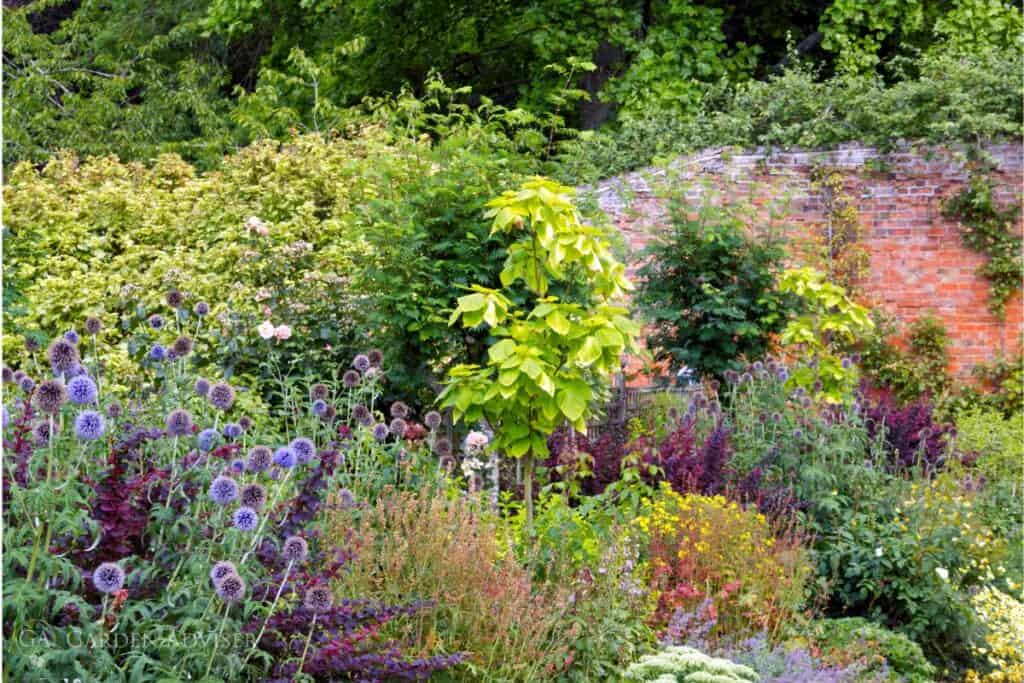
A garden feels planned when it has structure. Paths, lawn shape, hedges, trees, shrubs, seating areas and strong border edges create the framework. Seasonal flowers then have something to sit within.
Tony’s design experience helps homeowners think about proportion, scale, views from the house and how a garden will mature rather than only how it looks on planting day.
- Keep useful mature plants where possible
- Use shrubs and small trees for height and depth
- Repeat key shapes or plants to create rhythm
- Leave enough space for plants to reach their natural size
Plan in stages, not all at once
Many gardens improve best in phases. A staged plan lets you tackle drainage, soil improvement, clearance, planting and seating in a sensible order without wasting money.
The right sequence is often the difference between a garden that develops well and one that becomes expensive to correct later.
- Fix access, drainage and soil issues early
- Clear only what you understand
- Plant permanent structure before seasonal fillers
- Review each season before making the next change
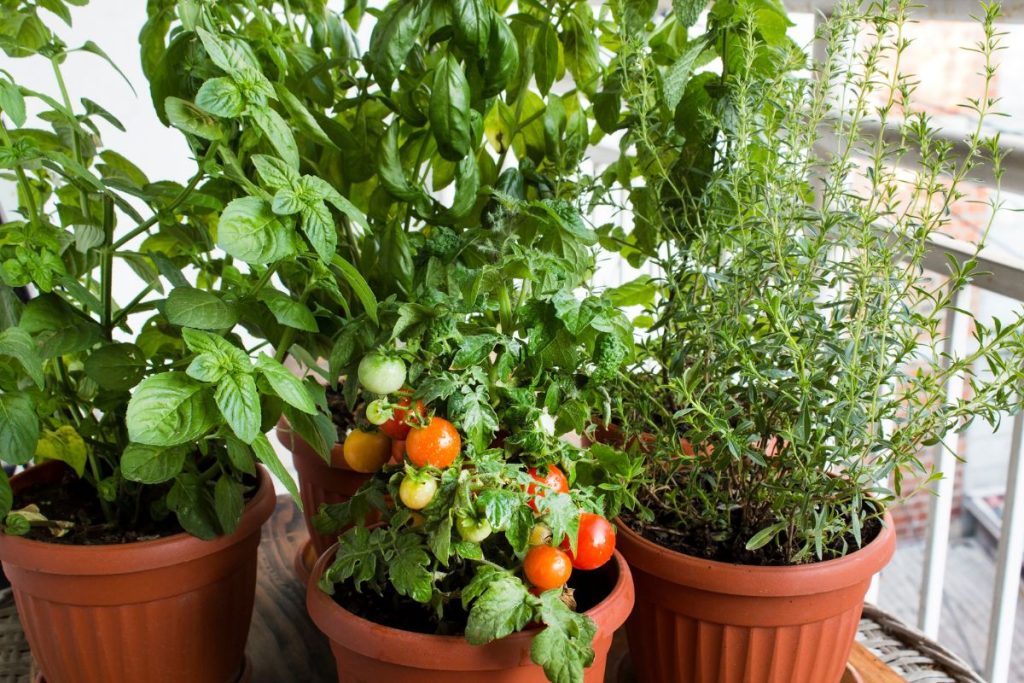
Tony can help turn a confusing garden into a practical plan with clear priorities and planting advice.

Tony’s garden adviser takeaway
The most useful garden advice is specific to the conditions in front of you. Soil, shade, wind, drainage, existing planting and the amount of time you can give the garden should all influence the next decision.
For SEO and for real readers, this article sits within Tony Harding’s wider garden advice, consultation and coaching work across Leicestershire, Warwickshire, Northamptonshire and nearby Midlands locations.
- Choose plants for the site, not only for colour on the label.
- Use structure, repetition and depth so the garden feels calm and designed.
- Leave space for wildlife, access, maintenance and future growth.
- Ask for advice before committing to expensive landscaping or large plant orders.
How this becomes site-specific garden advice
For Tony Harding, useful garden advice is never just a list of attractive plants. It is a practical reading of the garden: the soil underfoot, the amount of light, the way water moves, the plants already succeeding and the level of care the owner can realistically provide.
This is where good SEO and good advice meet. Homeowners searching for a garden consultant, garden coach, planting advice or a garden health check usually need help with a real decision: what to keep, what to change, which plants suit the conditions and how to avoid spending money in the wrong order.
- Start with soil, aspect, drainage and exposure.
- Use structure and repetition before adding too many individual plants.
- Choose colour that belongs to the setting and lasts beyond one short flush.
- Leave space for wildlife, mature growth and easier maintenance.