
Summary: A wildlife-friendly garden needs food, shelter, water and varied planting, but it can still be designed, practical and attractive.
Design for food, shelter and water
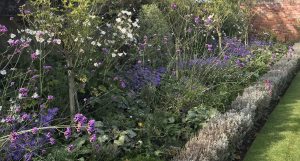
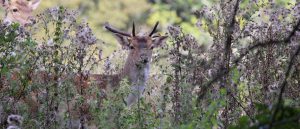
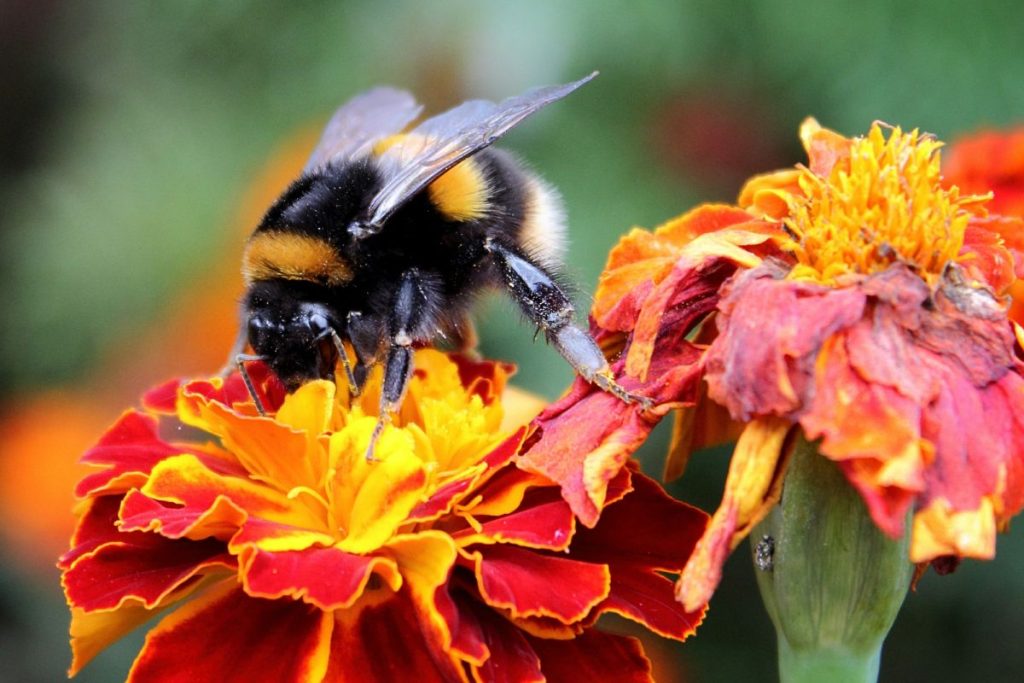
A wildlife-friendly garden does not need to look abandoned. It needs a mix of flowering plants, shelter, water, seedheads, hedges and quiet places where insects, birds and small animals can live.
The best results come when wildlife value is designed into the structure of the garden rather than added as an afterthought.
- Open flowers for pollinators
- Shrubs and hedges for nesting and shelter
- Water at different scales
- Longer grass or meadow edges
- Seedheads and winter cover
Choose plants that suit the conditions
Native plants can be valuable, but the right plant in the right place still matters. A wildlife garden on clay, dry shade or an exposed new-build plot will need different planting choices.
Tony can help match plants to soil and aspect while building a longer flowering season for pollinators.
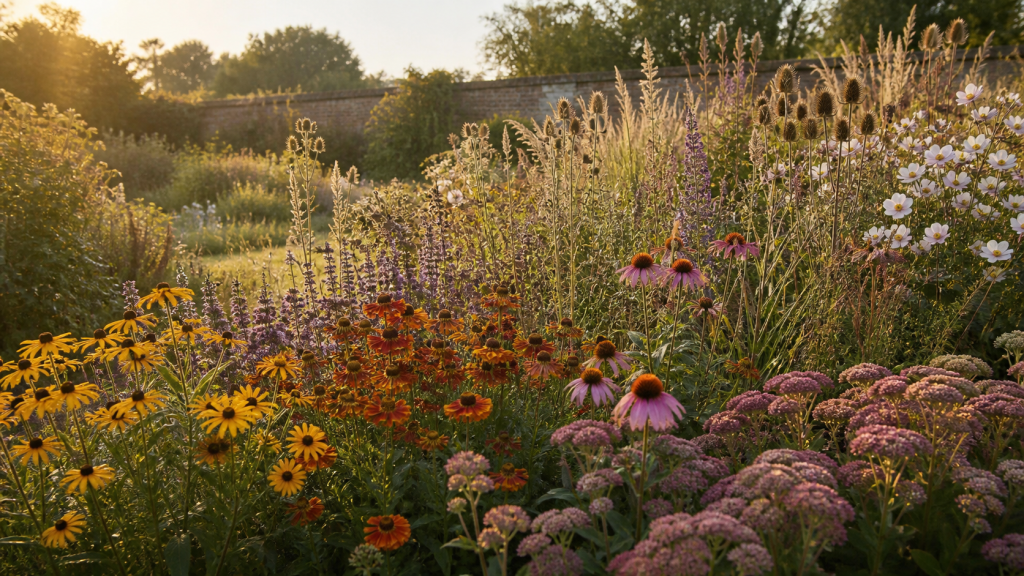
- Use nectar-rich perennials in sunny borders
- Use ferns, pulmonaria and hardy geraniums in shade
- Add berrying shrubs for birds
- Avoid overcrowding so wildlife can move through the garden
Maintain with a lighter touch
Maintenance is part of wildlife gardening. Cutting everything down at once removes shelter and food, while leaving every area unmanaged can make the garden harder to enjoy.
A balanced approach keeps paths and key areas usable while allowing selected corners, stems and seedheads to remain.
- Cut back in stages where possible
- Avoid disturbing nesting birds
- Compost garden waste where practical
- Keep some leaf litter under hedges and shrubs
Tony can help you make a garden more wildlife friendly without losing structure, usability or a sense of design.
Tony’s garden adviser takeaway
The most useful garden advice is specific to the conditions in front of you. Soil, shade, wind, drainage, existing planting and the amount of time you can give the garden should all influence the next decision.
For SEO and for real readers, this article sits within Tony Harding’s wider garden advice, consultation and coaching work across Leicestershire, Warwickshire, Northamptonshire and nearby Midlands locations.
- Choose plants for the site, not only for colour on the label.
- Use structure, repetition and depth so the garden feels calm and designed.
- Leave space for wildlife, access, maintenance and future growth.
- Ask for advice before committing to expensive landscaping or large plant orders.
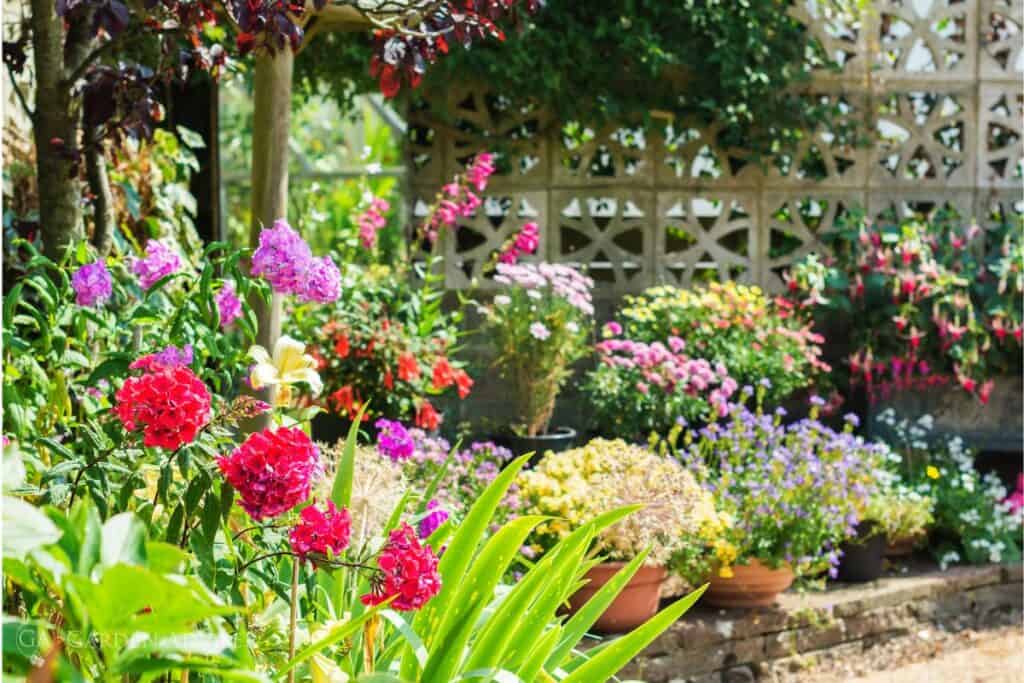
How this becomes site-specific garden advice
For Tony Harding, useful garden advice is never just a list of attractive plants. It is a practical reading of the garden: the soil underfoot, the amount of light, the way water moves, the plants already succeeding and the level of care the owner can realistically provide.
This is where good SEO and good advice meet. Homeowners searching for a garden consultant, garden coach, planting advice or a garden health check usually need help with a real decision: what to keep, what to change, which plants suit the conditions and how to avoid spending money in the wrong order.
- Start with soil, aspect, drainage and exposure.
- Use structure and repetition before adding too many individual plants.
- Choose colour that belongs to the setting and lasts beyond one short flush.
- Leave space for wildlife, mature growth and easier maintenance.