Summary: An overgrown garden does not always need a full clearance. First identify what is valuable, what is unhealthy and what should be tackled in stages.
Do not clear everything too quickly
An overgrown garden can feel urgent, but a wholesale clearance can remove mature structure, useful screening, wildlife habitat and plants that simply need renovation.
The first job is to understand what is there. Some shrubs can be pruned, divided or reshaped. Some trees may be valuable. Some areas may only need a practical maintenance plan.
- Identify mature shrubs and trees worth keeping
- Check for nesting birds and wildlife cover
- Separate weeds from self-seeded plants with value
- Work out access before starting heavy clearance

Create a sensible order of work
A garden rescue works best when the jobs are prioritised. Paths, safety, access, drainage and structural pruning often come before new planting.
Tony can help decide what to do first so the garden becomes manageable without losing character or spending money in the wrong place.
- Clear paths and entrances
- Remove dangerous or diseased material
- Prune at the right time of year
- Open up light gradually
- Improve soil before replanting
Rebuild with planting that suits the conditions
After clearance, the temptation is to fill every gap. A better approach is to choose plants that suit the soil, light and maintenance level, then allow them enough space to grow.
Wildlife-friendly planting can be part of a tidy, usable garden. Hedges, grasses, seedheads, open flowers and quieter corners can make a rescued garden feel alive rather than stripped bare.
- Use groundcover to reduce weeding
- Choose shrubs for structure and seasonal interest
- Repeat plants for calmness
- Leave some habitat and shelter

If your garden feels overwhelming, Tony can help you decide what to keep, remove, renovate and tackle first.
Tony’s garden adviser takeaway
The most useful garden advice is specific to the conditions in front of you. Soil, shade, wind, drainage, existing planting and the amount of time you can give the garden should all influence the next decision.
For SEO and for real readers, this article sits within Tony Harding’s wider garden advice, consultation and coaching work across Leicestershire, Warwickshire, Northamptonshire and nearby Midlands locations.
- Choose plants for the site, not only for colour on the label.
- Use structure, repetition and depth so the garden feels calm and designed.
- Leave space for wildlife, access, maintenance and future growth.
- Ask for advice before committing to expensive landscaping or large plant orders.
How this becomes site-specific garden advice
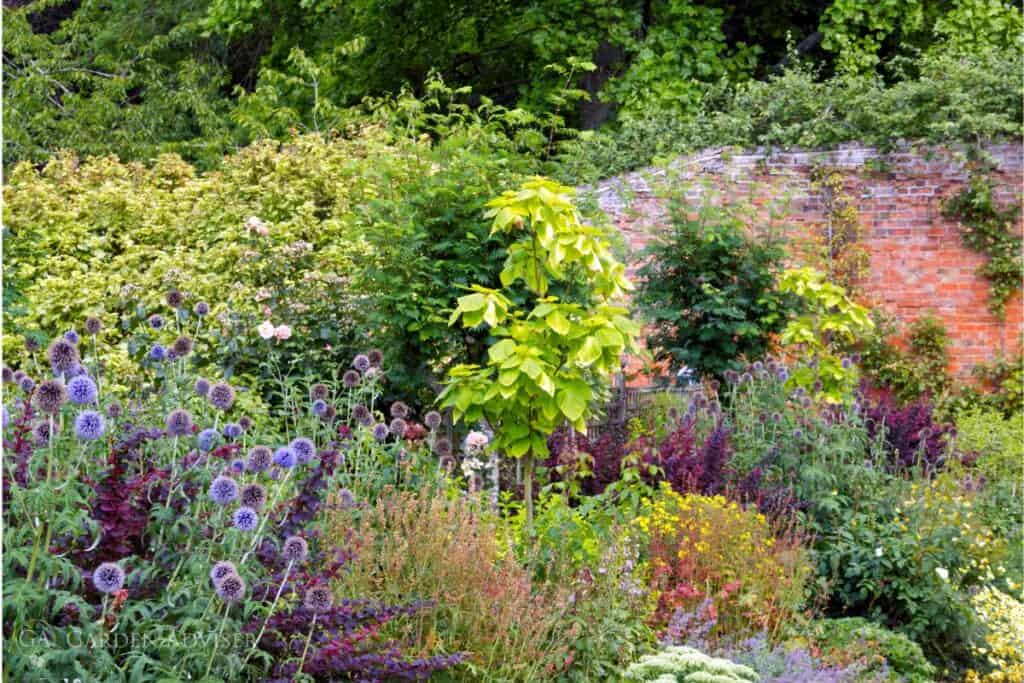
For Tony Harding, useful garden advice is never just a list of attractive plants. It is a practical reading of the garden: the soil underfoot, the amount of light, the way water moves, the plants already succeeding and the level of care the owner can realistically provide.
This is where good SEO and good advice meet. Homeowners searching for a garden consultant, garden coach, planting advice or a garden health check usually need help with a real decision: what to keep, what to change, which plants suit the conditions and how to avoid spending money in the wrong order.
- Start with soil, aspect, drainage and exposure.
- Use structure and repetition before adding too many individual plants.
- Choose colour that belongs to the setting and lasts beyond one short flush.
- Leave space for wildlife, mature growth and easier maintenance.