
Summary: New-build gardens often need soil improvement, drainage thought, privacy planting and staged advice before money is spent on landscaping.
Why new-build gardens struggle
Many new-build gardens look simple but behave badly. Compacted subsoil, thin topsoil, rubble, poor drainage, exposed fences and builder-laid lawns can all make planting harder than expected.
The right advice helps you avoid buying plants that cannot cope with the conditions. It also helps you decide whether the first investment should be soil, structure, screening or layout.
- Compacted soil and poor rooting depth
- Standing water or rapid drying
- Lack of privacy and shelter
- Weak lawns and uneven levels
- Blank borders with no structure
Fix the soil before filling the borders
Soil improvement is often the foundation of a successful new-build garden. Heavy clay needs organic matter and careful handling; sandy or hungry soil needs compost, mulch and plants that will cope with lower moisture.
Tony can assess whether the soil is workable, compacted, wet, dry or inconsistent across the plot.
- Check drainage before planting expensive shrubs
- Improve broad areas, not just planting holes
- Mulch after planting to protect soil life
- Choose plants for the real conditions
Add privacy, depth and wildlife value
A new-build plot can feel flat because everything is the same height. Use small trees, hedging, shrubs, climbers and layered borders to create depth without overcrowding.
Wildlife should be planned in from the beginning. Open flowers, hedges, water, long grass edges and shelter can make even a small new garden feel richer.
- Use vertical planting for privacy
- Choose shrubs with long seasons of interest
- Avoid planting too close to fences
- Leave room for birds and pollinators
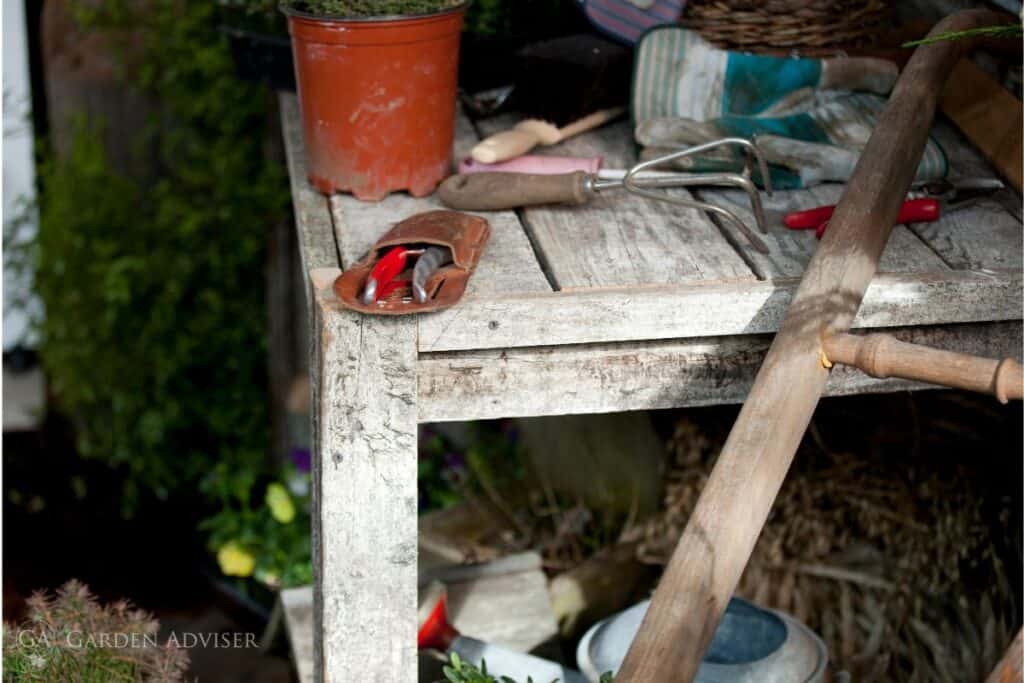
Tony offers practical new-build garden advice to help you plan improvements in the right order.
Tony’s garden adviser takeaway
The most useful garden advice is specific to the conditions in front of you. Soil, shade, wind, drainage, existing planting and the amount of time you can give the garden should all influence the next decision.
For SEO and for real readers, this article sits within Tony Harding’s wider garden advice, consultation and coaching work across Leicestershire, Warwickshire, Northamptonshire and nearby Midlands locations.
- Choose plants for the site, not only for colour on the label.
- Use structure, repetition and depth so the garden feels calm and designed.
- Leave space for wildlife, access, maintenance and future growth.
- Ask for advice before committing to expensive landscaping or large plant orders.
How this becomes site-specific garden advice
For Tony Harding, useful garden advice is never just a list of attractive plants. It is a practical reading of the garden: the soil underfoot, the amount of light, the way water moves, the plants already succeeding and the level of care the owner can realistically provide.
This is where good SEO and good advice meet. Homeowners searching for a garden consultant, garden coach, planting advice or a garden health check usually need help with a real decision: what to keep, what to change, which plants suit the conditions and how to avoid spending money in the wrong order.
- Start with soil, aspect, drainage and exposure.
- Use structure and repetition before adding too many individual plants.
- Choose colour that belongs to the setting and lasts beyond one short flush.
- Leave space for wildlife, mature growth and easier maintenance.